

In the 21st century, industries are rapidly developing and highly competitive. To respond to the diversification of social and industrial development, shorten research and development timelines, broaden students’ learning fields, enhance employment opportunities, and make teaching more flexible and distinctive while cultivating specialized talents, the College of Engineering has designed a series of professional courses. These courses strengthen students’ expertise and skills, integrating theory with practice to meet workplace demands.
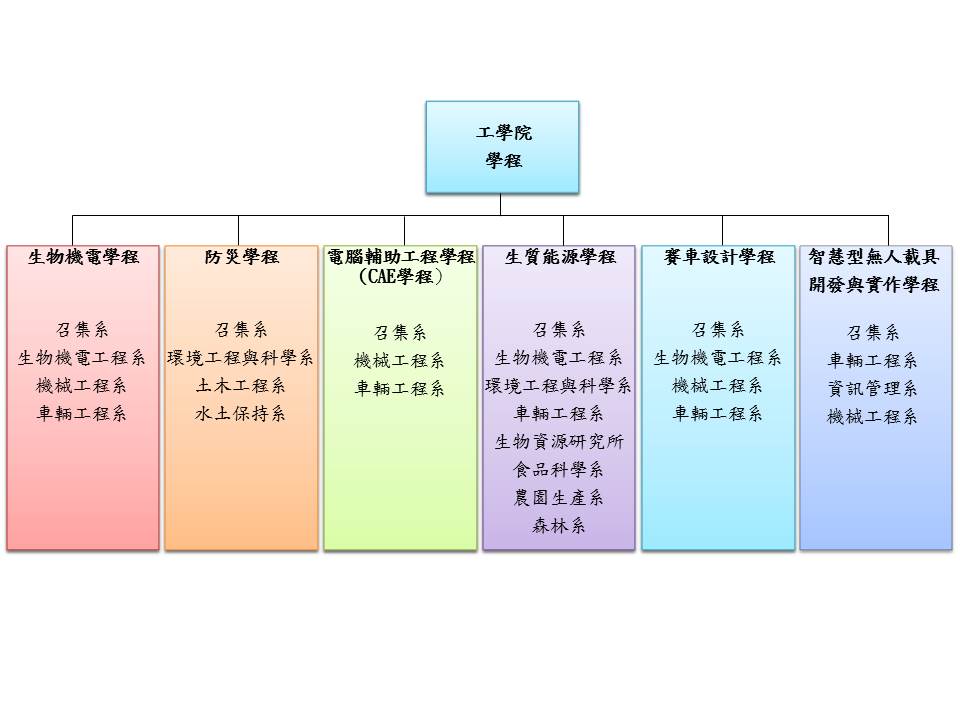
Currently, the College of Engineering offers six programs: Disaster Prevention, Bioenergy, Biomechatronics, Computer-Aided Design and Analysis, Racing Design, and Smart Unmanned Vehicle Development and Implementation.
The main features of this program lie in introducing biological production methods, fundamental mechanical, optical, and electrical engineering theories and principles, combined with applied electronics and mechatronic integration. In addition to basic training, students are guided to integrate biology, mechanical engineering, optoelectronic engineering, and automatic control into practical applications. This program places special emphasis on hands-on training. Beyond strengthening laboratory courses, factory visits and teaching activities are arranged according to instructional needs. In line with the university’s development priorities, training focuses on three major directions: industrial automation of biological production and processing systems, resource recovery of biological waste, and quantitative biotechnology applications. These efforts aim to establish new fields in biosystems engineering and integrated biomechatronic applications.
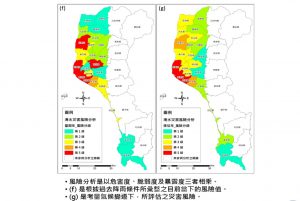
Due to increasing concerns in southern Taiwan such as land subsidence, groundwater recharge, slope hazards, and extreme climate disasters caused by climate change, this program emphasizes several specialized fields. These include: analysis and design of slope structures and hydraulic structures; trenchless technology for underground utilities and geosynthetic analysis and design; development and enhancement of construction materials, engineering barriers, and seismic-resistant materials; water resource management, allocation, and effective groundwater utilization; mechanisms and prevention of land subsidence; slope disaster prevention technologies; soil and water conservation; eco-engineering methods; environmental impact assessment; and ecological protection and planning.
The main feature of this program lies in the integration and application of computer technology. The curriculum includes computer-aided design, computer-aided manufacturing, computer-aided structural analysis, and computer-aided thermal flow analysis. To combine theory with practice, students are required to undergo practical training during their coursework. As a result, graduates are well-prepared to proficiently use computer-aided design, manufacturing, and analysis tools commonly applied in the workplace.
The curriculum covers a complete range from general education, fundamentals, professional courses, applications, to practical presentations. It also includes key technologies for biodiesel and bioethanol production. Emphasis is placed on combining theory with practice, with arrangements for factory visits, hands-on training, and competitions to strengthen students’ applied skills.
The focus of this program is on the design of motors, actuators, and batteries, chassis design and vehicle strength, vehicle dynamics and control technologies, as well as engine power design. Once students have acquired sufficient knowledge and skills, they will be encouraged to participate in the SAE Asia Student Formula Electric Vehicle Competition, enhancing both student and faculty motivation in electric vehicle studies and raising the university’s reputation. A major feature of the program lies in the integration and application of computer technology. The curriculum includes computer-aided design, computer-aided manufacturing, computer-aided structural analysis, and computer-aided thermal flow analysis. To combine theory with practice, students are required to undergo hands-on training during their coursework. As a result, graduates are proficient in using computer-aided tools for vehicle-related design, manufacturing, and analysis in the workplace.
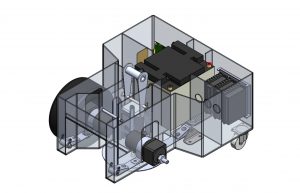
The distinctive focus of this program includes the design of motors, actuators, and batteries; chassis design and vehicle strength; autonomous driving technologies for vehicle dynamics; and the development of intelligent recognition and artificial intelligence systems. It aims to enhance both student and faculty motivation in learning about smart unmanned electric vehicles. A major feature of the curriculum lies in the integration and application of computer vision and information engineering technologies. Courses cover computer-aided design, computer-aided manufacturing, motor drive and control technologies, computer vision and image recognition, active safety control design, and an introduction to artificial intelligence. To combine theory with practice, students are required to undergo hands-on training throughout their studies. As a result, graduates are proficient in using tools for computer-aided design, power system design, electronic circuit design and fabrication, and the development of intelligent algorithm functions for smart electric vehicles.